Things I Discovered This Week #61
A magical book on grief, the best potato chops in town, dreamlike paintings, an archive of Indian grandmothers, a Chinese philosophy, an Italian word of the week, and cupcakes!✨dive in!
Hey blahcksheep,
I’ve had a pretty unproductive week, low on inspiration and interesting thoughts. But out of habit (and love), I still wanted to write to you and share whatever I’ve been consuming. I did make egg sandwiches with my partner though, and that was really fun!
The list this week is going to be a short one (reflective of the kind of slow, boring week I’ve had), but I’m hoping to hear from you to make up for it! So don’t forget to tell me what you’ve been reading, watching, cooking, obsessing over. That will truly make my day! <3
Cafe Kefi - I had been craving Calcutta street food for a while now, so when I saw potato chops on their menu, I obviously got very excited! And happy to share that they did not disappoint! They were freshly made by the kind and wonderful lady who runs the café, and paired with the spicy green chutney, they were the perfect accompaniment to a lazy, rainy evening. I was having such a great time gorging on them that I completely forgot to take pictures. Hopefully, next time :)
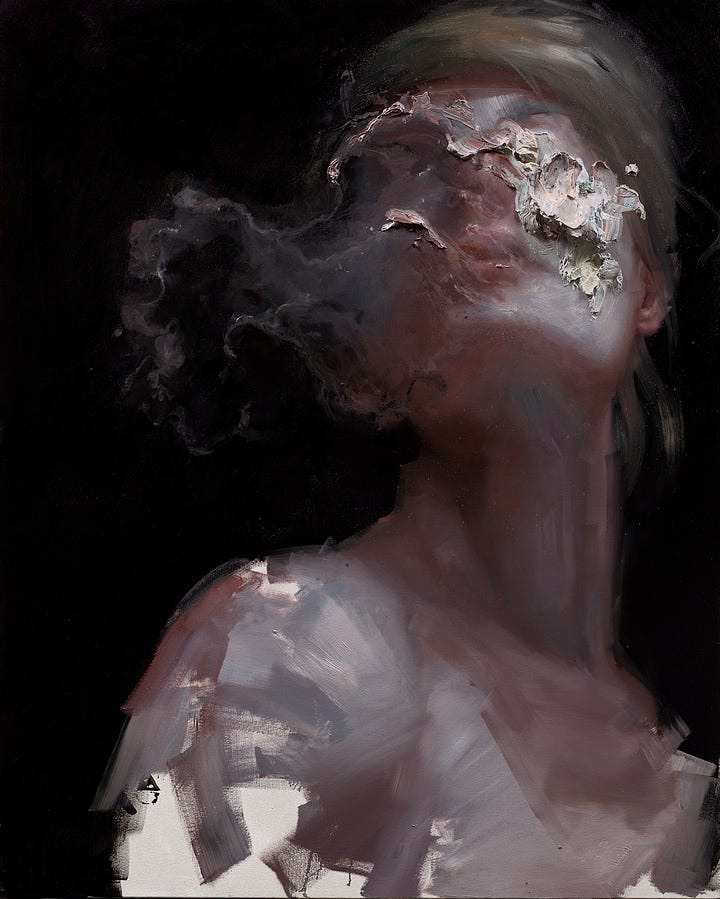
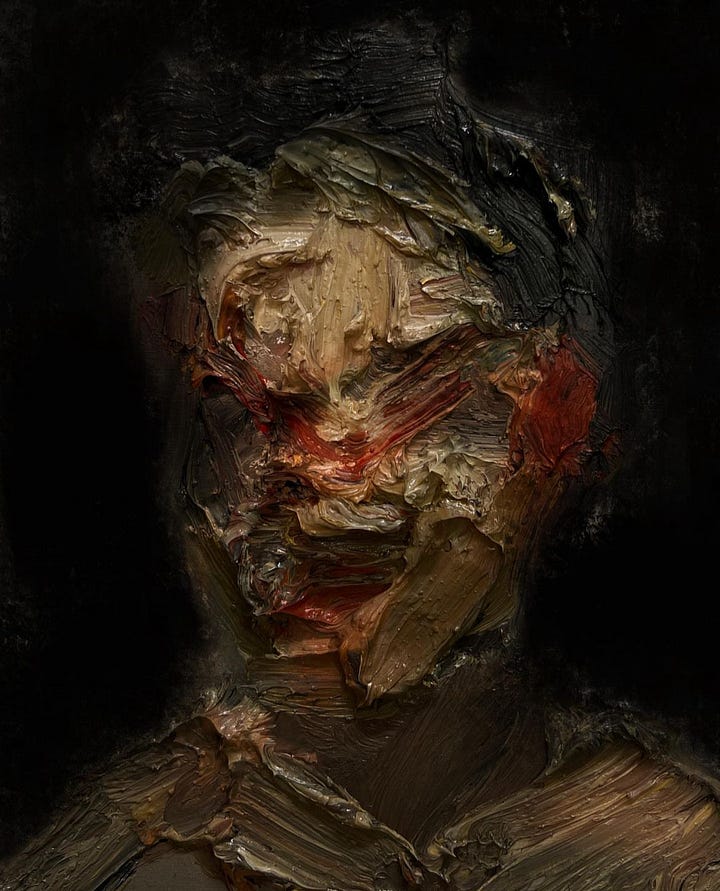
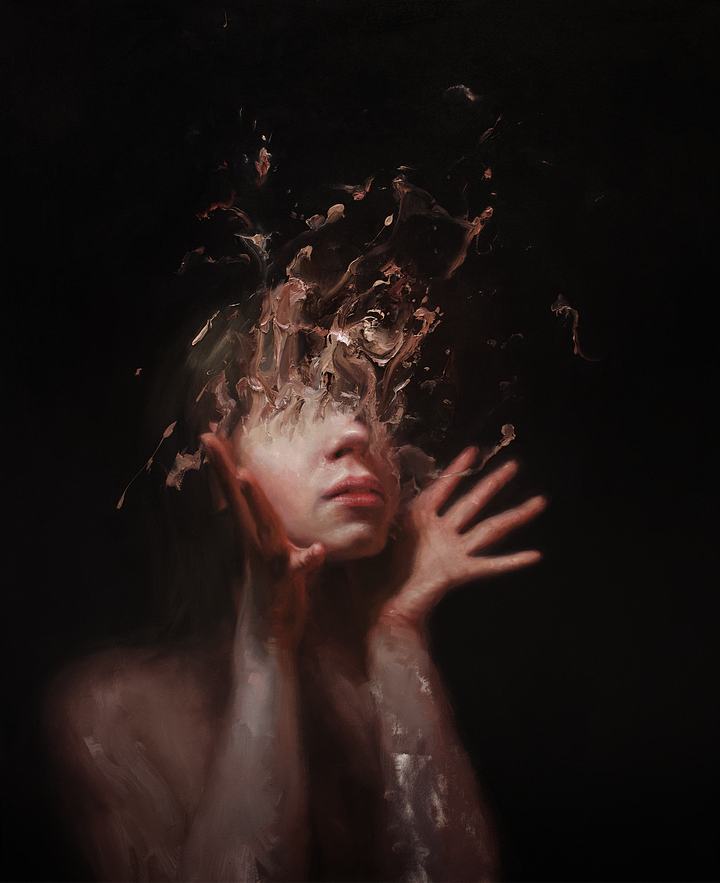
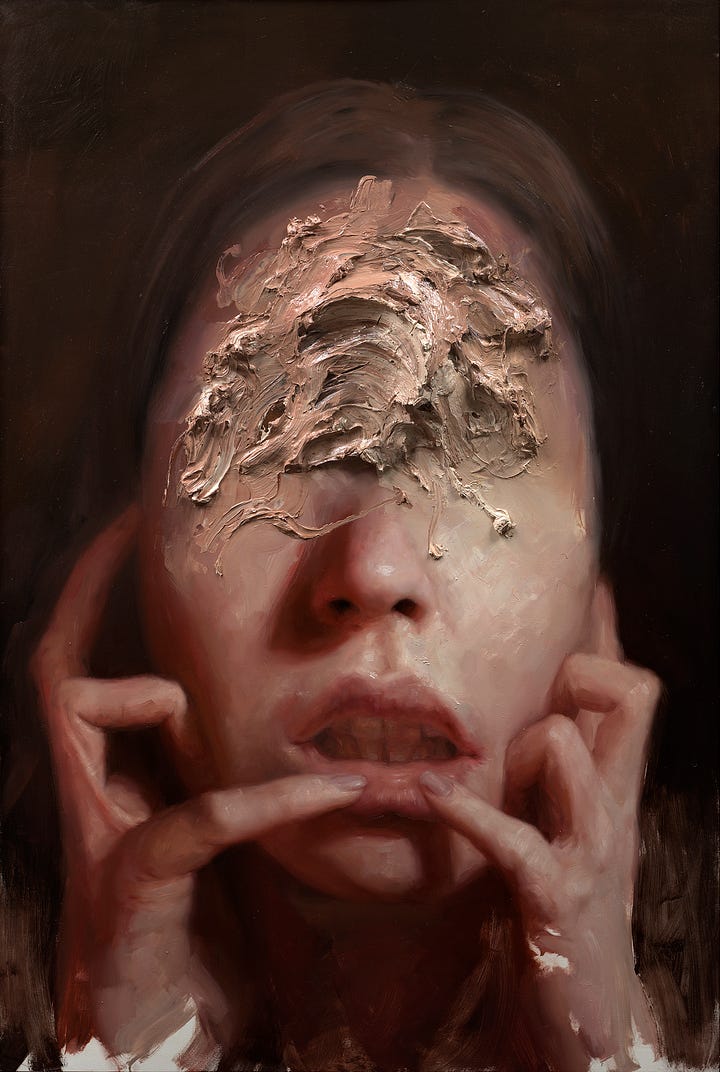
Henrik Uldalen - A self-taught artist who presents classical figurative painting in a strikingly contemporary way. I especially love the dreamlike quality of his work, suspended between memory and mist.
The Year of Magical Thinking - I’ve been meaning to read Joan Didion for the longest time, so the timing of my partner gifting it to me couldn’t have been sweeter. (Books really do make the best gifts, period.) Seventy pages in, and I’m already in awe. Didion is a magical writer, and her insights on grief are quietly devastating. One idea that stayed with me is this: when we’re grieving, we might seem perfectly fine on the outside, but inwardly we cling to irrational beliefs and almost childlike fantasies. A part of us still hopes that if we do x or y, the person we lost might somehow come back. It made me wonder when do we truly lose someone? When they physically disappear? Or when we stop hoping, and stop thinking about them? Here are some of my favourite quotes from the book so far:
Life changes fast. Life changes in the instant. You sit down to dinner and life as you know it ends.
In time of trouble, I had been trained since childhood, read, learn, work it up, go to the literature. Information was control.
I recognize now that there was nothing unusual in this: confronted with sudden disaster we all focus on how unremarkable the circumstances were in which the unthinkable occurred, the clear blue sky from which the plane fell, the routine errand that ended on the shoulder with the car in flames, the swings where the children were playing as usual when the rattlesnake struck from the ivy. "He was on his way home from work — happy, successful, healthy — and then, gone," I read in the account of a psychiatric nurse whose husband was killed in a highway accident.
Philippe Ariès, in The Hour of Our Death, points out that the essential characteristic of death as it appears in the Chanson de Roland is that the death, even if sudden or accidental, “gives advance warning of its arrival. Gawain is asked: “Ah, good my lord, think you then so soon to die?” Gawain answers: “I tell you that I shall not live two days.” Ariès notes: “Neither his doctor nor his friends nor the priests (the latter are absent and forgotten) know as much about it as he. Only the dying man can tell how much time he has left.Luru Mag - They’re building an archive of Indian grandmothers! The last day for submissions is 22nd March, 2026. You can send your stories can to grandmothers@lurumagazine.com Learn more about their wonderful project here.
Episode on Daoism by Philosophize This and Philosophy of the Tao by Alan Watts is what I’ve been listening to while doing the dishes.
Word of the Week: Sfumato - From the Italian sfumare, meaning “to tone down” or “to evaporate like smoke.” In painting, it refers to that soft, smoky blending of colours where edges dissolve and nothing feels sharply defined. Most famously associated with the work of Leonardo da Vinci.
Henrik Uldalen’s work feels deeply sfumato!
Life sometimes feels sfumato too… You can see the shape of it all, but you’re not entirely sure what’s solid and what’s slipping away.
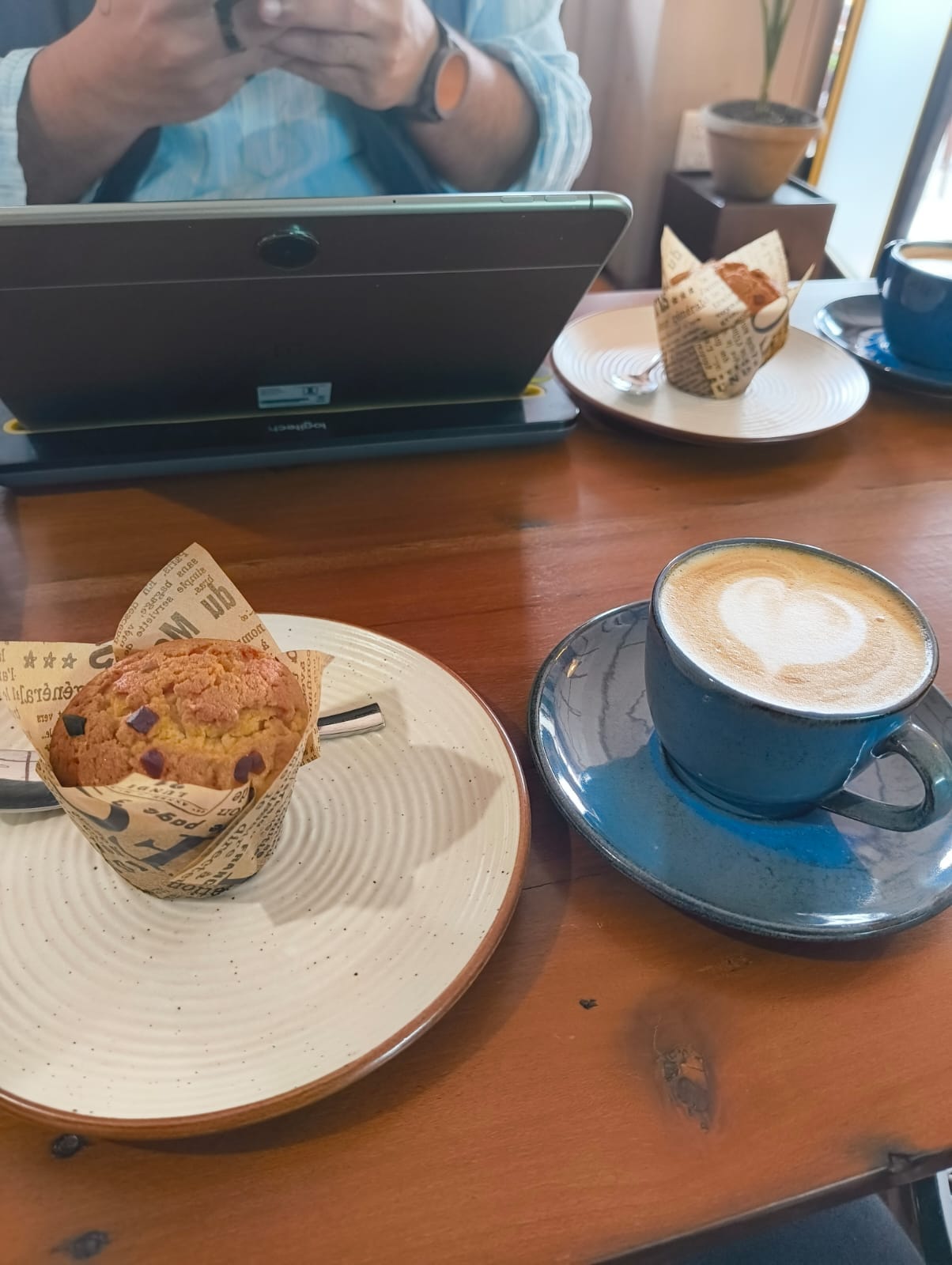
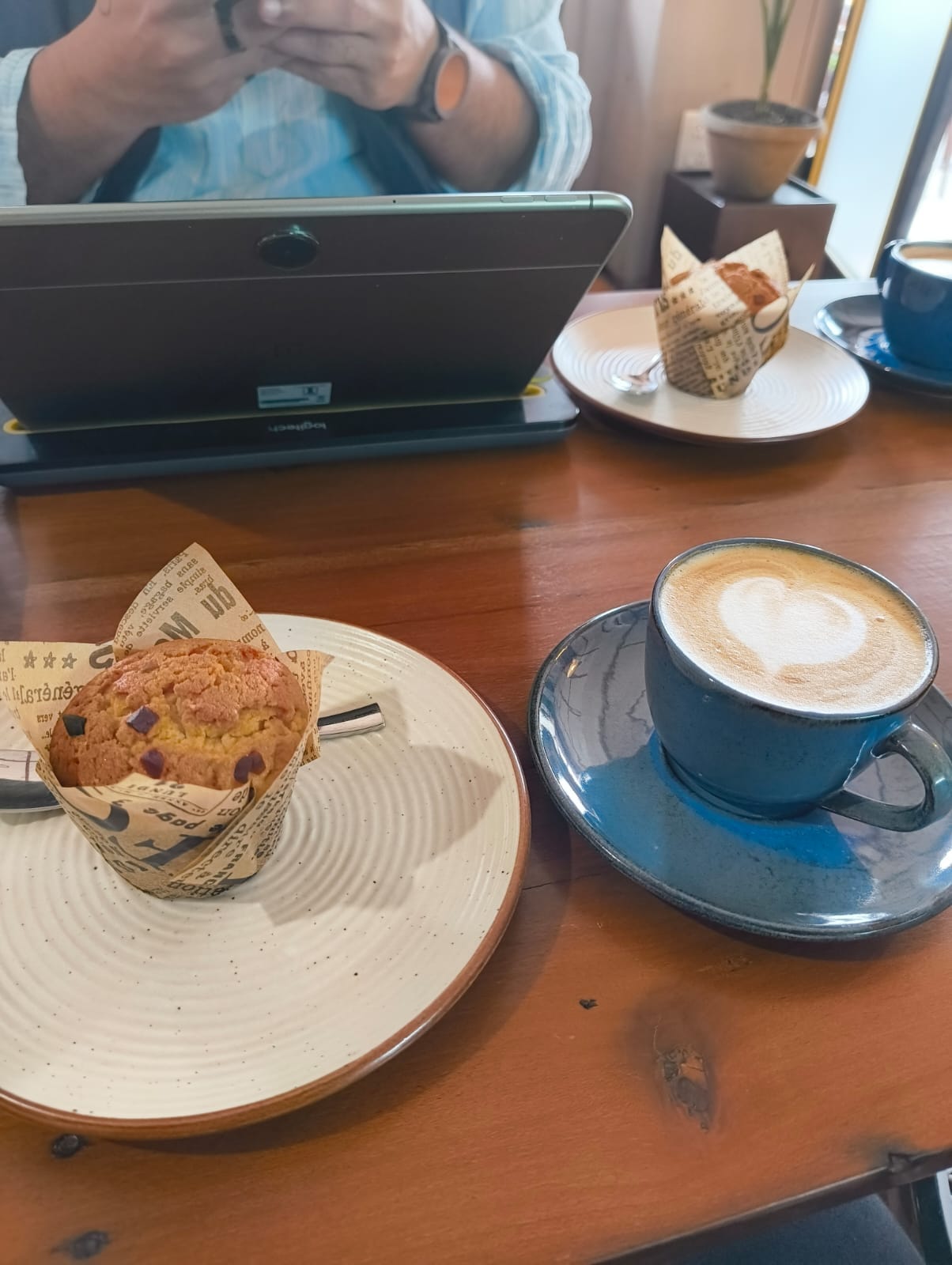
may you never run out of cupcakes! courtesy of cafe fiction :)